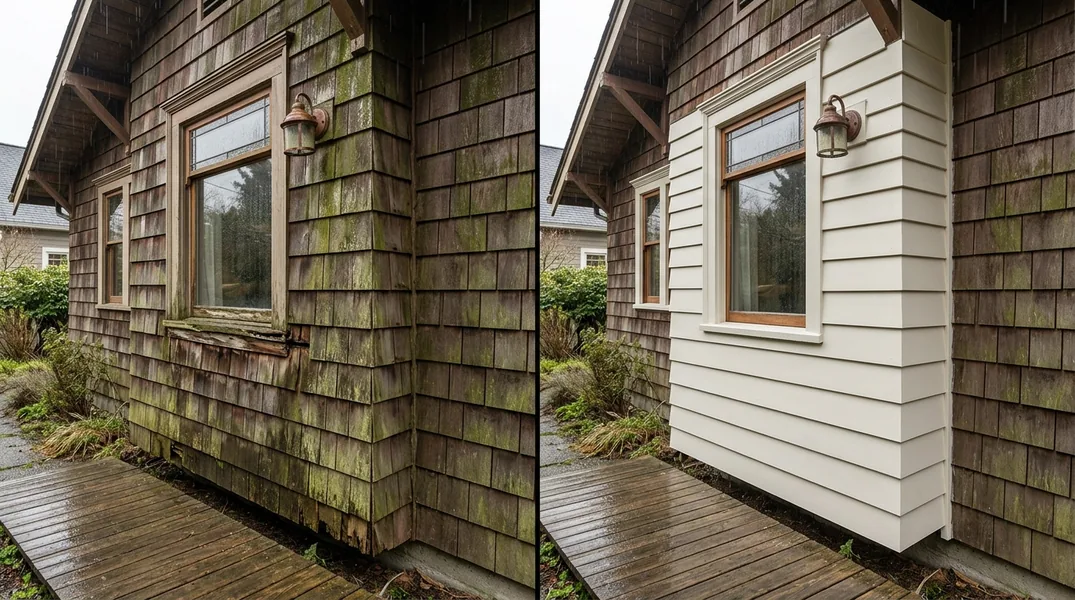
Why Seattle Homes Are Especially Vulnerable to Wood Rot
Seattle homeowners face a unique challenge when it comes to protecting their properties: the Pacific Northwest climate is essentially a breeding ground for wood rot. With an average of 152 rainy days per year and humidity levels that frequently exceed 70 percent, your home's wooden structures are constantly exposed to moisture. This isn't a matter of if wood rot will develop, but rather when and where it will strike.
Wood rot occurs when fungi colonize wood that has absorbed enough moisture to support their growth. Unlike termites or other wood-destroying insects, fungal spores are already present in the air around your home. They simply need the right conditions to flourish: moisture, warmth, and oxygen. Seattle's mild winters mean that wood never fully dries out, and the frequent rain ensures a constant supply of moisture. This creates an ideal environment for destructive fungi to thrive year-round. Older homes, which are common throughout the region, often have less effective moisture barriers and drainage systems, making them even more susceptible to decay.
Understanding the Difference Between Wet Rot and Dry Rot
Homeowners often use the terms wet rot and dry rot interchangeably, but these are actually two distinct problems that require different approaches. Wet rot, also called brown rot, typically occurs in areas with active moisture problems. It causes wood to become soft, spongy, and dark in color. Wet rot is usually confined to the immediate area where moisture is present, which means that if you can control the moisture source, you can often stop the decay. This is the more common type of damage found in Seattle homes, particularly in basements, around windows and doors, and on exterior wood surfaces.
Dry rot, on the other hand, is far more serious and invasive. Despite its name, dry rot actually requires moisture to start, but it spreads through wood that appears dry. The fungus that causes dry rot can travel through masonry and across non-wood materials, making it capable of affecting multiple areas of your home if left untreated. Dry rot can cause wood to shrink, crack, and crumble, and it spreads much faster than wet rot. While less common than wet rot in residential settings, dry rot is far more dangerous and expensive to address. If you suspect you have dry rot rather than wet rot, professional intervention is essential. Wood Rot & Dry Rot Repair specialists can accurately diagnose which type of fungal decay you're dealing with and recommend the appropriate treatment strategy.
Common Signs of Wood Rot in Your Home
Early detection is crucial when it comes to wood rot. The longer the decay goes unaddressed, the more extensive and costly the repairs become. One of the most obvious signs of wood rot is a soft or spongy texture when you press on wooden surfaces. This indicates that the fungus has begun breaking down the wood's cellular structure. You may also notice discoloration, typically dark brown or black stains, particularly on exterior wood, trim, and siding. Paint that is peeling, blistering, or separating from wood is another red flag, as it often indicates moisture penetration underneath.
Additional warning signs include a musty odor, which is the smell of active fungal decay, and visible cracks or splits in the wood that weren't there before. Wood rot can also cause structural issues, such as sagging floors, doors or windows that stick or no longer close properly, and visible gaps between boards. If you notice any combination of these signs, especially on exterior surfaces or in areas prone to moisture like bathrooms and basements, it's time to have your home inspected. Many homeowners in the region wait too long to address these issues, allowing decay to spread into structural components like beams, joists, and walls. Don't let this happen to your home. If you're seeing any signs of wood rot, contact Seattle Carpentry at (425) 671-4050 to schedule a free estimate.
Exterior Wood Rot Repair: Where Problems Start
Exterior wood rot repair is often the most visible and accessible type of wood decay homeowners encounter. Your home's exterior surfaces, including siding, fascia, trim, and decking, are the first line of defense against the elements. When these components fail, moisture penetrates deeper into your home's structure. Exterior wood rot typically begins at vulnerable points: around window and door frames, where gutters and downspouts meet the house, along the base of siding where it meets the foundation, and anywhere that caulking or sealant has deteriorated.
The good news is that exterior wood rot, when caught early, is often more straightforward to repair than rot that has spread into structural components. Exterior wood rot repair may involve removing and replacing damaged boards, repairing or replacing trim, and addressing the underlying moisture problem. This is why regular inspection of your home's exterior, especially after heavy rain or during spring and fall, is so important. Look for soft spots in siding, deteriorating caulk around windows and doors, and any areas where water appears to be pooling or running improperly. Addressing these issues promptly can prevent them from becoming major structural problems that require extensive and expensive repairs to components like Floor Joist & Subfloor Repair or even Beam Replacement & Load-Bearing Wall Removal.
Wood Rot & Dry Rot Repair Cost in Seattle: What to Budget
The cost of wood rot repair varies significantly depending on the extent of the damage, the location of the decay, and whether structural components are involved. Minor repairs to exterior trim or siding might cost anywhere from a few hundred dollars to a couple of thousand, while extensive repairs involving structural elements like floor joists or beams can easily exceed ten thousand dollars or more. The reason for this wide range is that wood rot repair isn't just about replacing damaged wood, it's about identifying and fixing the moisture source that caused the problem in the first place. If you don't address the underlying cause, the rot will simply return.
This is why getting a professional assessment is so important. A qualified carpenter can determine the full scope of the problem, identify all affected areas, and provide you with accurate pricing for the work. In many cases, catching and repairing wood rot early saves you thousands of dollars in the long run. A small area of exterior rot caught and repaired for a few hundred dollars might have cost several thousand dollars if left to spread into structural framing. Seattle Carpentry offers comprehensive inspections and detailed estimates so you know exactly what you're paying for. Call (425) 671-4050 or visit our website to request your free estimate today.
Preventing Wood Rot: Maintenance Steps Every Seattle Homeowner Should Take
While you can't change Seattle's rainy climate, you can take proactive steps to protect your home from wood rot. The most important step is controlling moisture. This means ensuring that your gutters and downspouts are clean and functioning properly, directing water away from your home's foundation. Make sure that water drains away from your house, not toward it. Inspect caulking and weatherstripping around windows and doors annually, and replace any that is cracked, peeling, or missing. Ensure that your home has proper ventilation in attics, crawl spaces, and basements, as stagnant, humid air accelerates fungal growth.
Regular painting and sealing of exterior wood is also essential. These protective coatings create a barrier against moisture absorption. If you notice areas where paint is peeling or sealant is failing, address them promptly rather than waiting until they become major problems. Inside your home, use exhaust fans in bathrooms and kitchens to reduce humidity, and fix any plumbing leaks immediately. If you have a basement or crawl space, consider installing a dehumidifier during wet months. Finally, inspect your home's exterior at least twice a year, paying special attention to areas that are shaded, stay damp longer, or have had moisture problems in the past. If you're unsure whether you're seeing early signs of wood rot or if you want a professional to assess your home's condition, Seattle Carpentry is here to help. We serve homeowners throughout the region with expert inspections and repairs. Contact us at (425) 671-4050 to schedule your assessment.
Looking for a professional carpentry contractor in Seattle? Seattle Carpentry responds fast for all your carpentry needs.
Get a Free QuoteOur services: Wood Rot & Dry Rot Repair · Termite Damage Repair · Floor Joist & Subfloor Repair