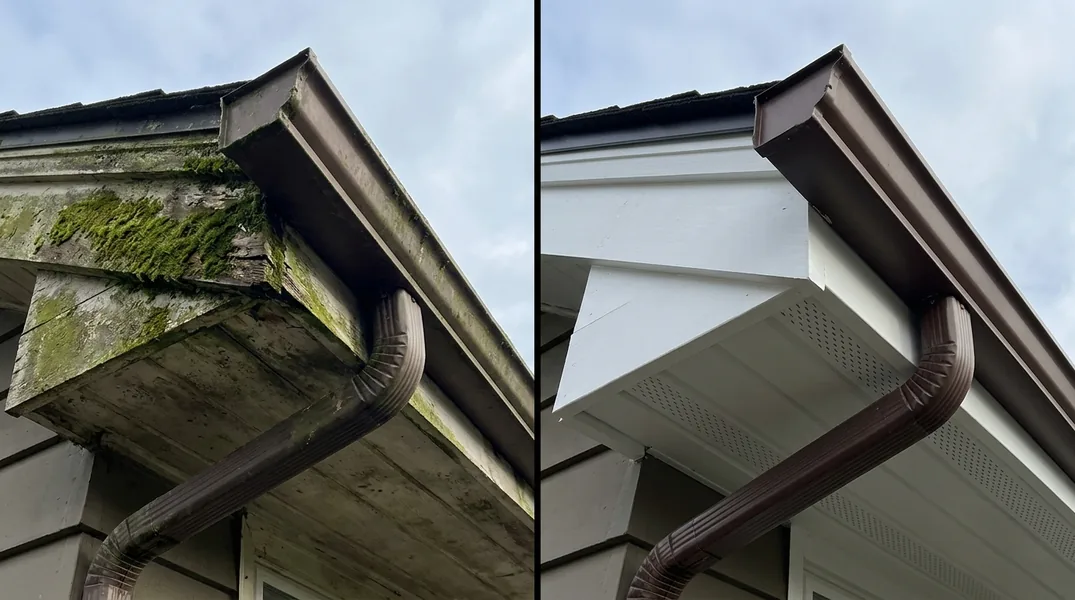
Why Seattle's Historic Homes Demand Special Attention
If you own a Craftsman bungalow or Queen Anne Victorian in Seattle, you're steward of architectural history. These homes, many built between 1890 and 1930, are beloved for their handcrafted details, authentic materials, and timeless character. But that charm comes with responsibility. The Pacific Northwest climate, with its relentless moisture and moderate temperatures, creates ideal conditions for wood decay. Unlike newer homes built with pressure-treated lumber and modern protective coatings, historic homes often feature old-growth timber and original finishes that require thoughtful, informed maintenance.
The stakes are higher with historic properties because structural integrity and authenticity must coexist. A poorly executed repair doesn't just compromise your home's safety; it can erase irreplaceable architectural details. Whether you're dealing with soft spots in original siding, sagging floor joists, or creeping dry rot in basement beams, understanding the problem and choosing the right repair approach matters enormously. This guide walks you through the realities of wood maintenance for Seattle Craftsman and Victorian homes, helping you make informed decisions before problems become catastrophic.
Understanding Wood Rot and Dry Rot in Older Homes
Wood rot comes in two main forms, and knowing the difference is your first line of defense. Wet rot occurs when wood moisture content exceeds 20 percent for extended periods, allowing fungi to colonize the fibers. You'll typically see this in areas with poor drainage, inadequate ventilation, or chronic water exposure. Dry rot, conversely, thrives in damp (not soaked) conditions and spreads more aggressively through wood, sometimes traveling across non-wood materials. Both types weaken structural capacity and are common in Seattle homes because our climate delivers consistent moisture without extreme drying periods.
In Craftsman bungalows and Victorians, rot often begins in hidden places: behind original trim, under porches, in basement rim joists, or within wall cavities where ventilation is poor. By the time you notice soft wood or paint failure on the exterior, decay may be well established inside. This is why proactive inspection beats reactive repair. If you're seeing signs like paint bubbling on wood siding, wood that yields to a screwdriver, musty odors in basements, or visible fungal growth, Wood Rot & Dry Rot Repair should be your next step. Early intervention prevents structural damage and preserves more of the original material.
Wood Siding Repair: Protecting Your Home's First Line of Defense
For Craftsman and Victorian homes, original wood siding is both a defining aesthetic feature and a critical moisture barrier. Lap siding, shingles, and board-and-batten configurations all serve the same purpose: shedding water away from the wall cavity. When paint fails, joints open, or wood begins to soften, water penetration accelerates decay. Many homeowners delay siding repairs because they assume the cost is prohibitive or believe cosmetic issues aren't urgent. In reality, deferred wood siding repair leads to expensive structural repairs down the road.
The right approach depends on the extent of damage. Surface-level paint failure and minor splits can often be addressed with careful scraping, wood filler, and repainting using historically appropriate finishes. Deeper rot or structural compromise may require selective board replacement, where damaged sections are carefully removed and matched wood is installed. The key is matching grain, dimension, and profile to the original material, especially on visible facades. Working with carpenters who understand historic preservation standards ensures your repairs enhance rather than diminish your home's character. If you're unsure whether your siding issues are cosmetic or structural, a professional assessment clarifies the scope and cost before work begins.
Floor Joists and Subfloor Issues: When Soft Spots Mean Trouble
Sagging floors, soft spots, or springiness underfoot are red flags in older homes. These symptoms typically point to compromised Floor Joist & Subfloor Repair issues, which are common in Craftsman bungalows and Victorians because original construction often lacked adequate moisture barriers between soil and wood. Basements and crawl spaces are particularly vulnerable, especially if drainage has degraded over decades or if original vents have been blocked.
Addressing floor issues requires systematic diagnosis. A professional inspection identifies whether rot is localized (affecting a few joists) or widespread, and whether the subfloor, rim joist, or structural beams are involved. Localized rot can sometimes be arrested through targeted repair and moisture control. Extensive rot may require sister joists (new wood bolted alongside compromised members) or complete joist replacement in affected sections. The cost and complexity vary widely, so getting a detailed assessment before committing to work is essential. Ignoring floor problems doesn't make them go away; it makes them more expensive and dangerous.
Moisture Control: The Foundation of Long-Term Wood Health
No repair lasts if moisture keeps returning. This is the most important principle in historic home maintenance. Rot thrives in damp environments, so controlling water intrusion is your best prevention tool. Start with the basics: ensure gutters and downspouts direct water at least four feet away from the foundation, check that grading slopes away from the house, and inspect exterior caulking and trim annually. In basements and crawl spaces, ensure adequate ventilation and consider a vapor barrier on soil to reduce ground moisture.
For wood siding, maintaining paint and caulk integrity is non-negotiable. Every five to seven years, inspect caulked joints, paint-covered wood, and areas where siding meets trim. Repoint or repaint before wood is exposed to weather. At roof lines, ensure flashing is intact and valleys are clear. Around windows and doors, verify that water is shedding properly. These routine tasks cost little compared to structural repairs. Many homeowners in Seattle find that a simple annual inspection and preventive maintenance budget prevents the need for expensive emergency repairs.
When to Call a Professional: Recognizing Your Limits
DIY enthusiasm is admirable, but wood rot and structural issues require professional expertise. If you're seeing signs of decay, experiencing floor movement, or noticing water damage, a qualified carpenter should evaluate the situation. What looks like a minor soft spot might indicate extensive hidden damage, and misdiagnosis can lead to ineffective or unsafe repairs.
Seattle Carpentry specializes in wood rot, dry rot, and structural repairs for historic homes throughout the region. We understand the unique challenges of Craftsman and Victorian properties and approach every project with respect for original materials and architectural integrity. Whether you need a free estimate for siding repair, floor joist assessment, or comprehensive moisture evaluation, calling (425) 671-4050 or requesting a free estimate is the first step toward protecting your investment. Early consultation often saves thousands in repair costs and preserves the character of your home for future generations.
Looking for a professional carpentry contractor in Seattle? Seattle Carpentry responds fast for all your carpentry needs.
Get a Free QuoteOur services: Wood Rot & Dry Rot Repair · Termite Damage Repair · Floor Joist & Subfloor Repair