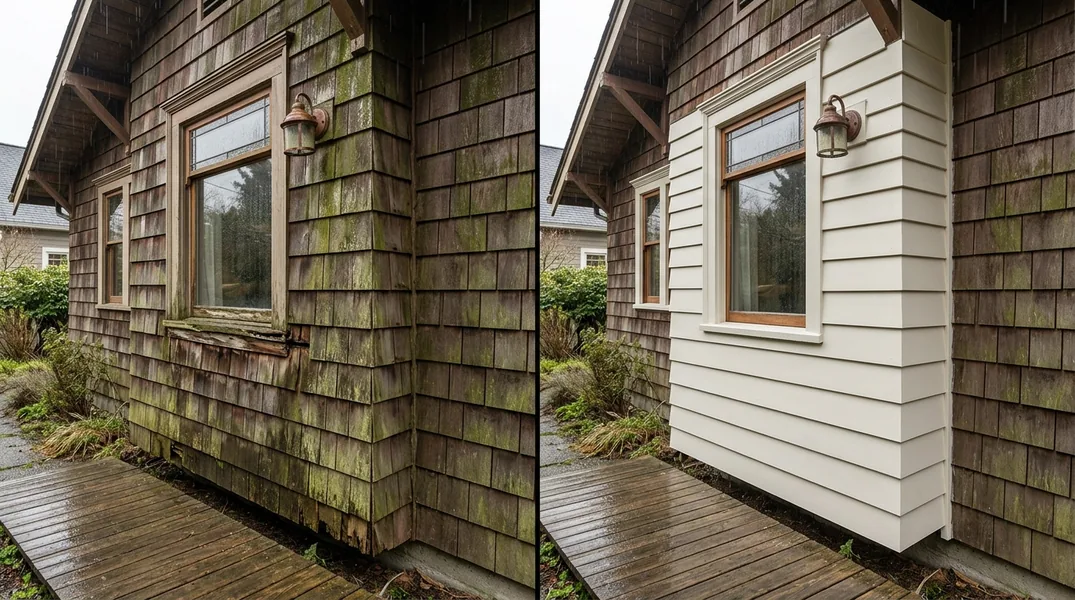
Is Wood Rot Covered by Homeowners Insurance?
One of the most common questions Seattle homeowners ask is whether their homeowners insurance will cover wood rot damage. The short answer is: usually not. Standard homeowners insurance policies are designed to cover sudden, accidental damage, not gradual deterioration caused by moisture, wear, or lack of maintenance. Wood rot develops slowly over time as wood is exposed to moisture and humidity, which means it falls into the category of preventable damage that insurers typically exclude.
However, the situation becomes more nuanced when water damage is the underlying cause. If a sudden event like a burst pipe, roof leak, or severe storm causes water intrusion that leads to wood rot, your insurer may cover the water damage itself. The critical distinction lies in whether the damage resulted from a sudden, covered peril or from ongoing moisture exposure and neglect. Understanding this difference is essential before filing a claim.
When Water Damage Claims Might Cover Wood Rot
If your home experiences sudden water damage from a covered peril, your homeowners insurance may pay for water damage restoration, and in some cases, this can extend to treating wood rot that resulted directly from that incident. For example, if a winter storm damages your roof and water seeps into your attic, causing wood rot in the framing, your policy might cover the water damage portion of the claim. The key is demonstrating that the water damage was sudden and unexpected, not the result of poor maintenance or gradual leaks.
When filing a water damage insurance claim in Seattle, documentation is everything. You'll need clear evidence of when the damage occurred, photos of the affected areas, and a detailed report from a qualified contractor explaining the connection between the water event and the wood rot. Many insurers will require an inspection before approving any claim. This is where working with experienced professionals becomes invaluable. At Seattle Carpentry, we can provide detailed assessments and documentation to support your claim, helping you understand whether your specific situation qualifies for coverage.
What Standard Homeowners Insurance Excludes
Most standard homeowners insurance policies explicitly exclude damage from moisture, mold, and wood rot unless they result from a sudden, covered event. This means that wood rot caused by poor ventilation, inadequate drainage, leaking gutters, or aging wood is your responsibility as a homeowner. Insurance companies view these issues as maintenance problems rather than insurable losses. Even if you discover extensive rot in your home's structure, your insurer will likely deny the claim if the damage developed gradually over months or years.
Additionally, many policies include sub-limits or deductibles specifically for water damage and mold-related claims. Some insurers may cover the water damage but exclude any mold remediation or wood rot repair costs. It's crucial to review your specific policy language and contact your agent directly to understand your coverage limits. Don't assume that because water entered your home, the resulting wood rot will be covered. The timing, cause, and documentation of the damage all play significant roles in claim approval.
How to File a Wood Rot Insurance Claim
If you believe you have a valid wood rot insurance claim, the process begins with notifying your insurer as soon as possible. Most policies require prompt notification of damage. Provide your insurer with a detailed description of the incident that caused the water damage, including the date it occurred and how you discovered the problem. Take photographs and videos of all affected areas, and preserve any damaged materials if safe to do so. Avoid making repairs before the insurance company has inspected the damage, as this could complicate your claim.
Next, obtain a professional assessment. Your insurance company may send their own adjuster, but you have the right to hire an independent contractor to evaluate the damage. At Seattle Carpentry, we can provide a comprehensive inspection and detailed report documenting the extent of wood rot, the likely cause, and recommended repairs. This documentation strengthens your claim by providing objective evidence of the damage. Submit all supporting documents, including contractor reports, photos, and receipts for any emergency mitigation measures you've taken. Keep detailed records of all correspondence with your insurer, including dates, names of representatives you speak with, and what was discussed.
Prevention is Better Than Claims: Protecting Your Home
Since homeowners insurance rarely covers wood rot caused by gradual moisture exposure, the best strategy is prevention. Regular maintenance and prompt attention to water intrusion can save you thousands in repair costs. Start by ensuring your gutters and downspouts are clean and directing water away from your foundation. Check your roof regularly for missing or damaged shingles, and inspect your home's exterior for cracks, gaps, or signs of water penetration. In the Pacific Northwest climate, where Seattle experiences significant rainfall, proper drainage is absolutely critical.
Inside your home, monitor moisture levels in basements, crawl spaces, and attics. Use exhaust fans in bathrooms and kitchens, ensure proper ventilation in crawl spaces, and consider a dehumidifier in damp areas. If you notice soft wood, discoloration, or a musty smell, these are early warning signs of rot. Addressing these issues immediately can prevent expensive structural damage down the road. Wood Rot & Dry Rot Repair is far more affordable when caught early, and it's always better to invest in prevention than to deal with insurance claim denials and extensive reconstruction later.
What to Do If Your Claim Is Denied
If your wood rot insurance claim is denied, don't assume the decision is final. Review the denial letter carefully to understand the specific reason your insurer rejected the claim. Common reasons include the determination that damage was gradual rather than sudden, that it resulted from poor maintenance, or that it falls outside your policy's coverage. If you disagree with the denial, you have options. Request a detailed explanation from your insurer, and consider hiring a public adjuster or attorney who specializes in insurance disputes to review your case.
You can also appeal the decision by submitting additional documentation or a second professional opinion. This is where having a detailed assessment from a qualified contractor becomes invaluable. If you need professional documentation to support your appeal, Seattle Carpentry can provide thorough inspections and expert reports that clearly establish the cause and timeline of damage. In some cases, your state's insurance commissioner's office can mediate disputes between homeowners and insurers. While navigating a claim denial is frustrating, persistence and proper documentation can sometimes result in coverage approval or a settlement.
Looking for a professional carpentry contractor in Seattle? Seattle Carpentry responds fast for all your carpentry needs.
Get a Free QuoteOur services: Wood Rot & Dry Rot Repair · Termite Damage Repair · Floor Joist & Subfloor Repair